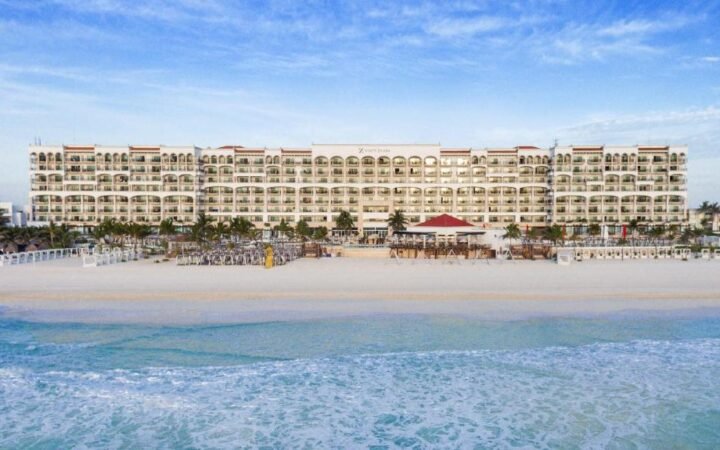
Yes, for most travelers Cancún is a reasonably safe place for a beach or resort holiday, as long as you treat it like any busy tourist city and not like a gated theme park. The US State Department rates Quintana Roo, the state that includes Cancún, Playa del Carmen and Tulum, at Level 2, “Exercise increased caution” (last updated May 2026). Canada’s advice for Mexico as a whole is to “exercise a high degree of caution”, with no separate regional warning for Quintana Roo as of 19 October 2026. Crime linked to criminal groups does happen, sometimes in tourist areas, so it pays to stay informed. Most of the risks you can control yourself are everyday ones, though: rip currents on the east-facing beaches, drink spiking and heavy drinking, unlicensed taxis and a handful of well-known scams.
Cancún Safety at a Glance (2026)
| Topic | What to know | What to do |
|---|---|---|
| Official advisory | US: Level 2 “Exercise increased caution” for Quintana Roo (May 2026) | Check travel.state.gov or your own government’s site shortly before you fly |
| Where you stay | Hotel Zone and Costa Mujeres are resort areas; tourist police patrol Blvd. Kukulcán | Take a taxi rather than walking long distances downtown after dark |
| Airport and taxis | Touts work the arrivals hall; city taxis have traditionally charged by zone, not by meter | Pre-book your transfer; agree the fare before you get in |
| Beaches | Km 9.5–22 faces the open Caribbean: bigger waves and more red or yellow flags | Read the flag every day and swim near a lifeguard |
| Nightlife | Drink spiking and robberies after drugging have been reported in Mexico | Keep drinks in sight, go out and leave as a group |
| Emergencies | 911 is Mexico’s national emergency number | Save it, plus your consulate’s number, before you travel |
What the Official Travel Advisories Say
The US system runs from Level 1 (normal precautions) to Level 4 (do not travel). Quintana Roo sits at Level 2, “Exercise increased caution”. That means stay alert and plan sensibly; it is not a warning to stay away. Levels and wording change, so check the current advisory on travel.state.gov in the week before you fly.
Other governments say similar things in their own words. Canada advises a high degree of caution across Mexico because of crime and kidnapping, but lists no stricter regional advisory for Quintana Roo. The UK Foreign Office notes that rival criminal gangs have clashed in popular Cancún tourist destinations and that criminals have assaulted British travellers there. Neither government is telling you to cancel, and neither is calling the area risk-free. Most of this violence happens between criminal groups. The best way to stay out of it is simple: never buy drugs. It is illegal, and it puts you in direct contact with the people behind most of the violence.
Hotel Zone vs Downtown and Other Areas
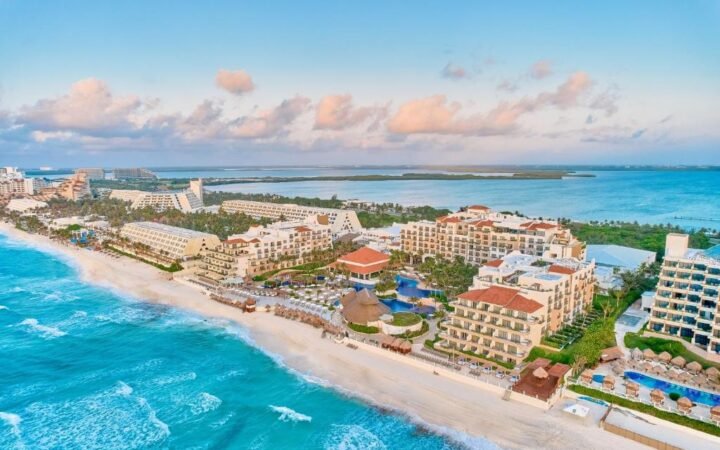
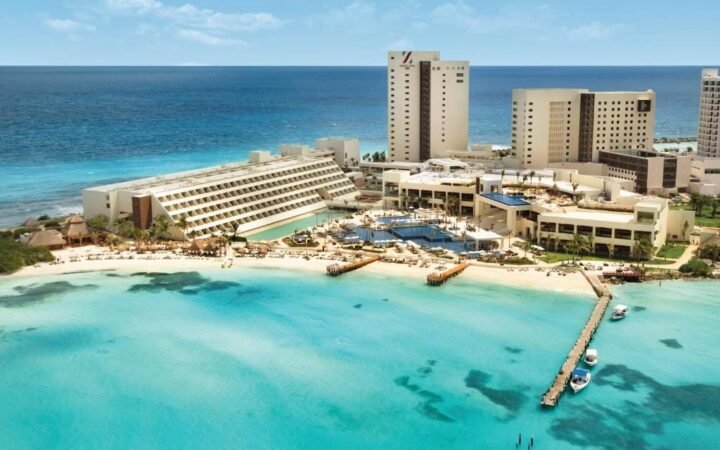
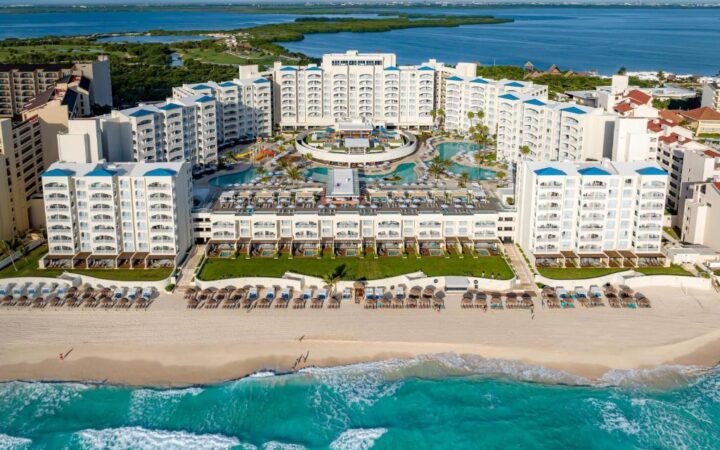
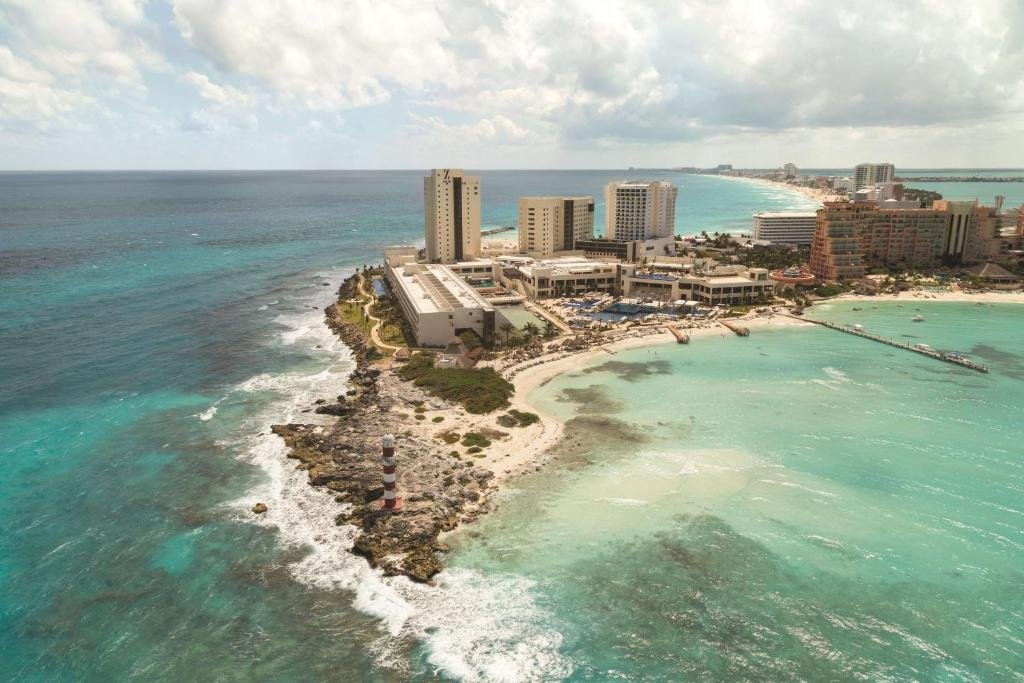
Most visitors stay in the Hotel Zone, the 7-shaped strip of resorts along Blvd. Kukulcán (see our Hotel Zone map from Km 1 to 22), or in Costa Mujeres just north of the city. Both are built around tourism. The municipality’s tourist police patrol the boulevard, and large all-inclusive resorts generally control who comes onto the property. That doesn’t make them crime-free: leaving a phone on a beach lounger or walking alone on a dark stretch of the boulevard late at night is still a bad idea.
Downtown Cancún (El Centro) is a real working city. Places like Avenida Tulum, Parque de las Palapas and Mercado 28 are busy and worth seeing in the daytime. In past spring-break alerts, US consular officials have urged extra caution in the downtown areas of Cancún, Playa del Carmen and Tulum, especially after dark. In practice, at night stay on well-lit, busy streets, take a taxi instead of walking between neighborhoods, and keep valuables out of sight. Outlying residential districts have little to offer visitors, so there is rarely a reason to go there. Our Hotel Zone vs Downtown guide compares the two areas in more detail.
Compare Hotel Zone and Costa Mujeres resort prices
Airport Arrival, Transfers and Taxis
Your first safety test happens at Cancún airport (CUN). After customs you walk through a hall full of people offering transport, tours and “free” gifts. Locals call it the Shark Tank, and many of the friendliest offers are timeshare sales pitches. Keep walking and head for your transfer’s meeting point outside. If someone tells you your driver has cancelled or isn’t coming, call the transfer company yourself from your own phone. Our Cancún airport transfer and Shark Tank guide explains the layout and your options step by step.
Around town, Cancún taxis have traditionally charged fixed fares by zone instead of using meters. A switch to meters was proposed for 2026, so check what applies when you arrive. Either way, agree the price before you get in. Taxi ranks often post their zone fares, and your hotel’s front desk can tell you what a ride should cost. Uber operates in Cancún, and at the airport the app matches you with licensed taxis. App drivers and the local taxi unions have clashed, though, so availability can vary. Canada’s advice is to use officially marked taxis, avoid hailing one on the street and never share a cab with strangers.
Taxi rule of thumb
Ask the front desk or concierge to call a taxi and confirm the fare for you, take a photo of the plate before you get in, and carry small peso bills so you don’t need change.
Common Scams and How to Avoid Them
Most scams cost you money rather than put you in danger. These are the ones visitors meet most often:
- Timeshare “gifts”. Free transport, discounted tours or a free breakfast offered in exchange for “a short presentation”. The presentation can take hours. A polite “no, thank you” is enough.
- Fake transfer staff. Someone at the airport says your booking was cancelled or your driver isn’t coming. Call the company yourself before you go anywhere with anyone.
- VISITAX look-alike websites. Quintana Roo’s one-time visitor fee is about 285 MXN (~$15–17 USD) per foreign visitor and is paid only on the official portal, visitax.gob.mx. Third-party sites overcharge. Our taxes, VISITAX and tipping guide covers the details.
- Taxi overcharging. Agree the fare first, and be clear about currency: “two hundred” means pesos, not dollars.
- Padded bar and club bills. Check the bill, keep your card in sight when you pay, and ask for the card terminal to be brought to you.
- On-the-spot “fines”. In July 2026, Cancún authorities dismissed tourist police officers, and state prosecutors arrested others, over alleged demands for money from visitors, in some cases using card terminals. It shows the problem exists, and also that complaints are acted on. If an officer asks you to pay on the spot, stay calm, ask for a written ticket, note the officer’s name and unit number, and report it through 911 or your consulate.
- Card skimming. Use ATMs inside banks, malls or your resort, cover the keypad, and avoid standalone street machines.
Drink Safety and Nightlife
Cancún’s nightlife centers on Punta Cancún around Km 9 (see our Punta Cancún nightlife guide). Crowds, open bars and late nights are the main ingredients for trouble, so a few habits go a long way:
- Never leave a drink unattended, and be wary of drinks offered by people you have just met.
- Outside your resort, consider sealed bottles or cans, as Canada’s travel advice suggests, and watch your drink being poured.
- Pace yourself. Unlimited drinks plus sun and heat hit harder than you expect.
- Go out as a group, agree on a meeting point, and leave together.
- Arrange your ride back before the night starts, through your hotel or a licensed taxi.
If you or a friend suddenly feel far drunker than the drinks would explain, or feel unwell, get help right away by calling 911 or alerting your hotel. In 2017 the US State Department acknowledged reports of travelers falling ill or blacking out after drinking tainted or substandard alcohol in Mexico. Its advice, to drink in moderation and get medical care if you feel ill, still holds.
Beach Flags, Rip Currents and Swimming
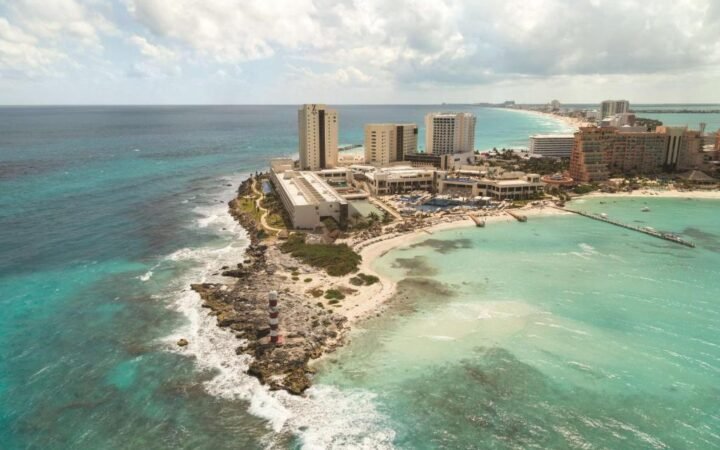
Many visitors underestimate the sea. The Hotel Zone is shaped like a “7”. From Km 1 to Km 9 the beaches face north and the water is usually calmer. From Km 9.5 to Km 22 they face east onto the open Caribbean, with bigger waves and more red or yellow flags. Cancún’s municipal civil protection office uses a simple flag system on public beaches:
| Flag | Meaning | What to do |
|---|---|---|
| Green | Conditions suitable for swimming | Swim normally, but stay within your ability |
| Yellow | Caution | Swim carefully, stay close to shore and near a lifeguard |
| Red | Swimming prohibited; risk area | Stay out of the water |
If you see a flag color you don’t recognize, or no flag at all, ask a lifeguard or your hotel before going in. Not every stretch of beach has a lifeguard on duty.
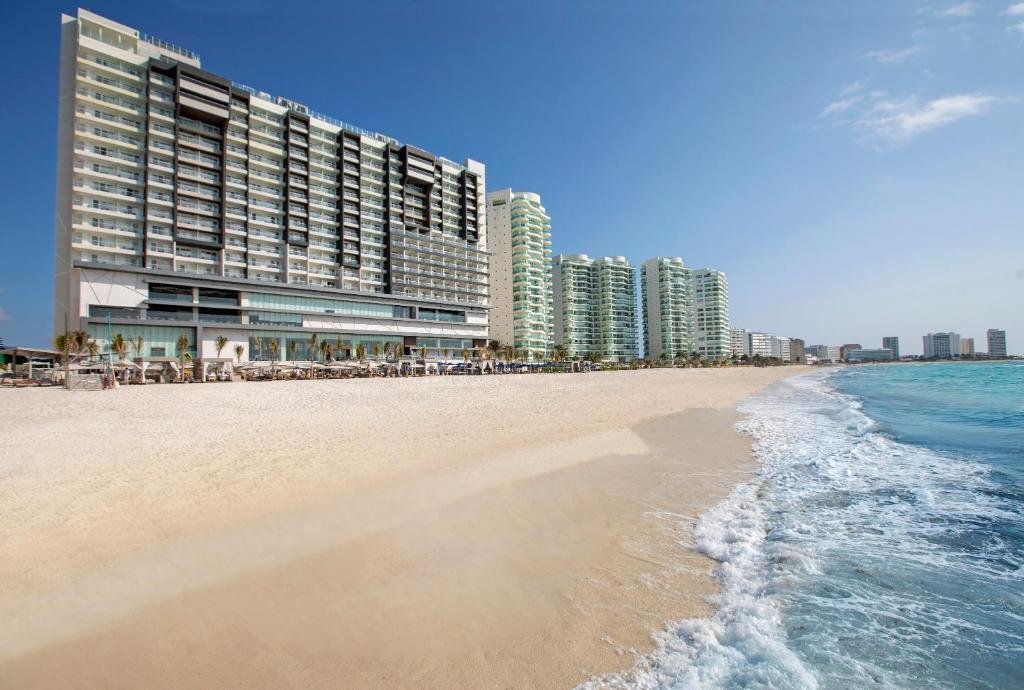
Rip currents are the hidden danger on the east-facing beaches. They are strong channels of water flowing away from shore, and they can form even on calm, sunny days. If one catches you, don’t try to swim straight back against it. Stay calm, float to save energy, and swim parallel to the beach until you feel the pull ease, then angle back toward shore. If you can’t get out, face the beach, wave and shout for help. Don’t swim after drinking or after dark, and keep children within arm’s reach in any surf.
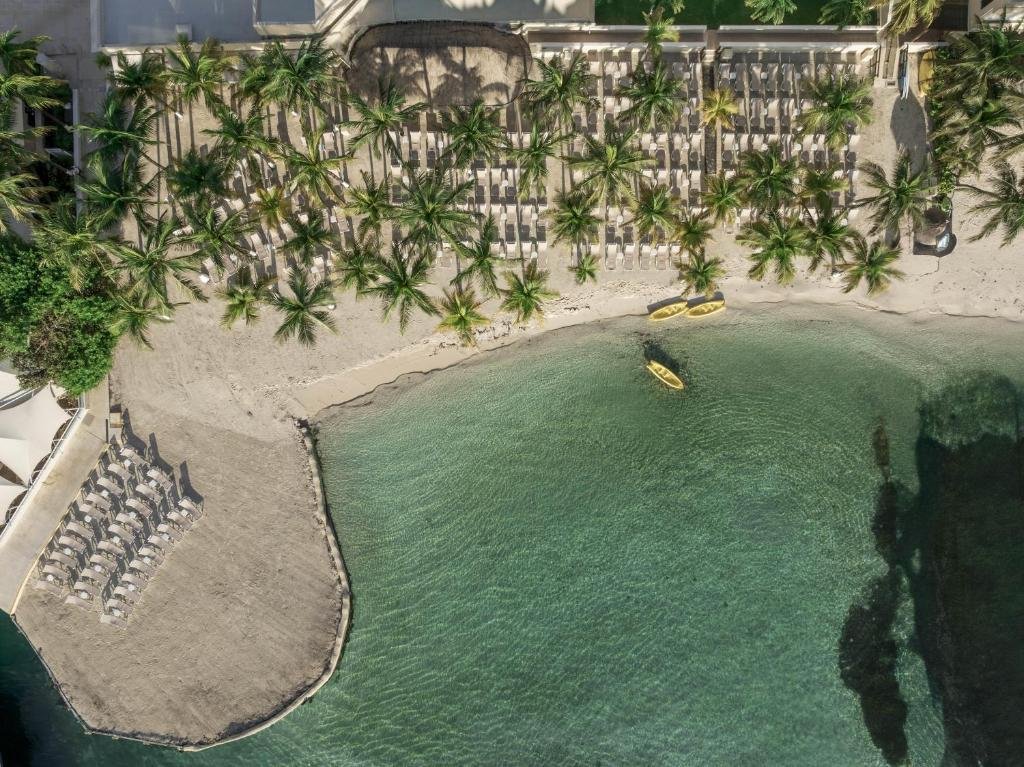
Two more natural factors are worth knowing. The Atlantic hurricane season runs from 1 June to 30 November. If a storm approaches, follow the instructions of your hotel and civil protection. For food, ice and stomach bugs, see our guide to drinking water and health in Cancún.
Emergency Numbers and Who to Call
- 911: Mexico’s national emergency number for police, ambulance and fire. It is free and works 24/7. Have your hotel’s name and Km number on Blvd. Kukulcán ready, because operators may not speak English.
- 089: Mexico’s line for anonymous crime reports.
- Your hotel: on resort property, the front desk or security team is often the fastest first contact. They can call an ambulance and help with Spanish.
- Tourist police: Cancún’s municipal tourist police (Policía Turística) patrol the Hotel Zone. You can flag down an officer or reach them through 911.
- Your consulate: the US Consulate General in Mérida covers Quintana Roo, and there is a US consular agency in Playa del Carmen. Canada has a consular agency in the Hotel Zone, and the UK has a British Consulate General in Cancún. Save your country’s current emergency number from its official website before you leave.
Make sure your travel insurance covers medical care and medical evacuation in Mexico, and save the insurer’s emergency number.
Practical Safety Rules for Your Cancún Trip
- Pre-book your airport transfer and walk straight through the arrivals hall.
- Leave your passport in the room safe and carry a copy or a photo of it.
- Carry only the cash you need for the day, in small peso bills.
- Take a taxi downtown after dark and agree the fare before you get in.
- Keep your drink in sight and never accept one from a stranger.
- Read the beach flag every day and swim near a lifeguard.
- Don’t buy drugs, ever.
- Save 911 and your consulate’s number, and share your plans with someone at home.
Frequently Asked Questions
Should I worry about the US travel advisory for Cancún?
Take it seriously, but don’t panic. Quintana Roo, which includes Cancún, is at Level 2, “Exercise increased caution” (last updated May 2026). That is the second of four levels and is not a recommendation to avoid travel. Check travel.state.gov before you fly, because levels can change.
Is the Cancún Hotel Zone safe at night?
The Hotel Zone is the most tourist-focused part of Cancún, and tourist police patrol Blvd. Kukulcán. Normal big-city caution still applies at night: stay in busy, well-lit areas, take a taxi instead of walking long dark stretches of the boulevard, and keep an eye on your drinks in Punta Cancún’s clubs.
Is it safe to take a taxi or Uber in Cancún?
Yes, if you use licensed taxis from official ranks or ones your hotel calls, and agree the fare first, since city taxis have traditionally charged by zone. Uber operates in Cancún, but it has clashed with local taxi unions, so availability varies. Always check the plate and driver before you get in.
What is the emergency number in Cancún?
Dial 911, Mexico’s national emergency number for police, ambulance and fire. It is free and works 24/7. For anonymous crime reports, Mexico uses 089. On resort property, also alert the front desk, which can help with Spanish and directions.
Is it safe to swim at Cancún’s beaches?
Usually, if you follow the flags. The north-facing beaches from Km 1 to 9 are generally calmer. The east-facing beaches from Km 9.5 to 22 get bigger waves, more red or yellow flags and rip currents. Swim near a lifeguard, never swim on a red flag, and stay out of the sea after drinking or after dark.